Twin Lakes, Colorado Land & Building Costs: A Buyer's Guide
What land costs in Twin Lakes, CO, what it costs to build a mountain home, and the water, septic, power and permit expenses to plan for in Lake County.
Why people build in Twin Lakes
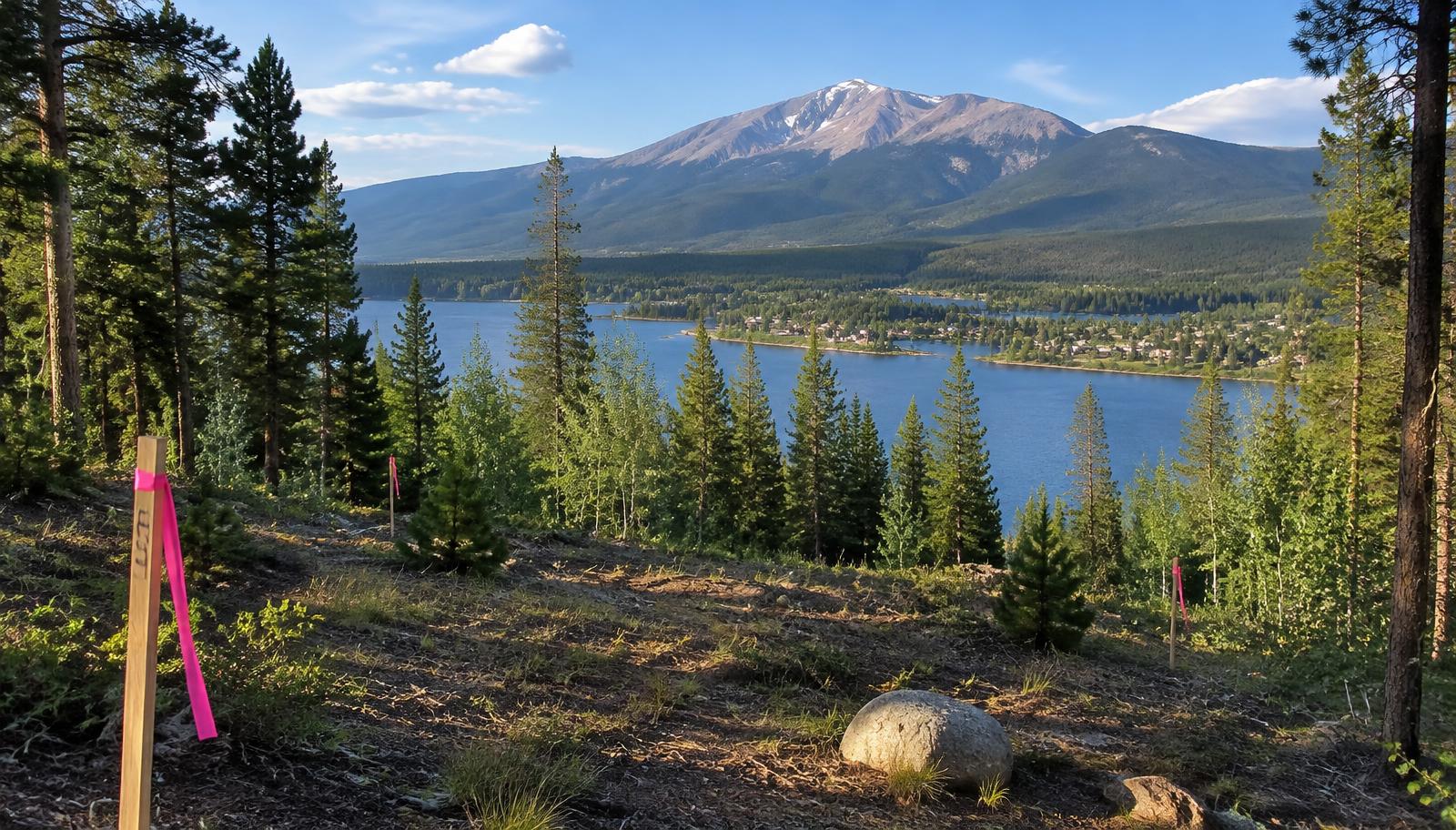
Twin Lakes sits at the base of Mount Elbert and Mount Massive in Lake County, about 20 minutes from Leadville and 30 minutes from Buena Vista. It offers boating, fishing and paddleboarding on the lakes, with hiking, biking and snowmobile trails close by. Independence Pass to Aspen opens in summer.
Most lots sit in a few subdivisions, including Twin Lakes Village, the Pan Ark Estates area and EE Hill Estates. The rest are larger acreage parcels along the valley.
What land costs right now
In the Pan Ark Estates area, there are often a number of smaller parcels (about 0.3–0.5 acre) asking around $45,000, making it one of the most affordable places to buy a lot near the lakes.
Prices vary a lot depending on views, utilities and lot size. In recent listings on Homes.com, Land.com and LandSearch, other smaller subdivision lots (about 0.3–0.5 acre) were asking roughly $70,000–$185,000. Lots around 1 acre were asking roughly $125,000–$325,000.
Larger parcels in EE Hill Estates (about 4–13 acres) have listed for roughly $125,000–$250,000. Lots with lake and Independence Pass views reach much higher: one 4.87-acre parcel listed at $1.5 million and a 21.8-acre property at $3.25 million.
For context, statewide land averages roughly $11,000–$12,000 per acre, according to a 2025 Colorado county land-price roundup. Mountain recreation areas like Twin Lakes run far higher per acre than that.
These are asking prices at the time of writing, not sold prices. Ask us for recent sold comparables before you make an offer.
Water: the biggest variable
Inside the Mount Elbert Water Association (MEWA) service area, many lots get water through a tap. One recent Twin Lakes listing reported a $17,500 water certificate fee plus a $4,500 water tap and curb stop already paid. Lots with those fees paid can save you over $20,000.
Outside a water district, you'll usually need a well. Ask whether the lot already has a well permit or a drilled well. Several EE Hill parcels advertise an existing well as a key selling point.
Septic, power and roads
Most Twin Lakes lots need an on-site septic system, and an engineered design is often required. One listing valued its septic engineering study at about $1,300, before installation costs.
Check whether electricity is at the lot line. One listing valued bringing power to the lot at about $5,000, and longer runs can cost much more.
Some subdivisions are in a metro district that plows and maintains roads. Other parcels are on private dirt roads. Factor in winter access and year-round costs.
What it costs to build
Industry estimates for Colorado put typical new-home construction around $250 per square foot. Custom homes run roughly $300,000–$600,000 statewide. Building at 9,200 feet in a remote mountain setting usually costs more: crews have to travel, the building season is shorter, and snow-load, foundation and heating requirements are stricter.
Budget separately for permits, site prep, the driveway and excavation, which can add $25,000 or more. Plan on 9–12 months or more from permit to move-in, and expect to start in spring to make the most of the summer season.
For any lot you're considering, get bids from local builders who work in Lake County regularly.
Zoning, permits and taxes
Lake County Community Planning & Development handles zoning, building permits and inspections. Some Twin Lakes parcels are zoned for recreational use, so confirm what you can build, and whether you can live there year-round, before buying.
Vacant land taxes are generally modest. One 4.48-acre EE Hill lot reported annual taxes of about $543. Taxes rise once a home is built.
Can I camp on my land in Twin Lakes?
This is the question we hear most. The short answer: it depends on your lot size, your zoning, and whether you've started building. Lake County's rules (Land Development Code Section 5.2.25 and the county's camping FAQ) work like this:
Lots of 5 acres or more: You can camp temporarily if camping is an allowed use in your zone district (check Table 5.1 of the Land Development Code). Temporary means no more than 15 consecutive days, and no more than 30 days in any six-month period.
Lots under 5 acres, which includes most Twin Lakes subdivision lots: Camping is not allowed until a primary use exists, such as a built home. Once a home is there, you can do limited accessory camping under the same 15-day and 30-day limits.
Camping while you build: On lots under 5 acres, you can apply for a Temporary Use Permit after you submit a building permit application. It lets you stay in a camper while construction is underway.
The rules everywhere: one camping unit per parcel for accessory camping. Nothing can be permanently attached to the ground. You must meet setbacks. Sewage must go to a county-approved facility or system. Trash must be managed, and bear-resistant containers are recommended. RVs and trailers must be licensed and roadworthy.
Rules change and depend on the exact parcel, so confirm with Lake County Community Planning & Development before you buy, especially if camping is part of your plan. We're happy to help you check a specific lot.
Before you buy: a quick checklist
Confirm water (tap or well permit), septic feasibility, power at the lot, road access and maintenance, zoning, HOA or covenant rules, and any wetlands or slope issues. A lot with these items already handled often costs less overall than a cheaper raw lot.
We help buyers sort through Twin Lakes lots and connect them with local well drillers, septic engineers and builders. Reach out and we'll send current listings and recent sales.
Sources
Listing data from Homes.com (homes.com/twin-lakes-co/land-for-sale), Land.com, LandSearch, and individual MLS listings shown on Coldwell Banker, Jefferson Real Estate and Restate Real Estate. Camping rules from the Lake County, CO Camping Definitions & FAQs pages (lakecountyco.gov). Statewide estimates from Houzeo's 2025 Colorado building-cost guide and a July 2025 Colorado land-price roundup. Figures are approximate and change often.
Local links & further reading
Thinking about a move to Buena Vista?
More guides
- Local Home-Service Contacts in Buena Vista & the Arkansas Valley
- Local Home & Land Lenders in Buena Vista & the Arkansas Valley
- A Local's Guide to the Buena Vista Whitewater Park & River Parks
- Hot Springs Near Buena Vista, Colorado
- Hiking the Collegiate Peaks Near Buena Vista
- Moving to Buena Vista, Colorado: What to Know
- Selling Your Colorado Mountain Home: A Seller's Guide
- Buying Land in Chaffee County, Colorado: Loans, Earnest Money and What You'll Need
- Your Step-by-Step Guide to Buying a Home in Buena Vista, Colorado
- Mortgages 101: A Financing Guide for Buena Vista Buyers
- Building with Modulars in the Colorado Mountains: Zook Cabins and SmartPads
- Where to Eat in Buena Vista: A Local's Guide to Restaurants, Coffee and Brews
- Wells, Water Rights and Septic in Chaffee County: A Buyer's Guide
- Short-Term Rentals in Buena Vista, Salida and Chaffee County: Rules, Taxes and Income
- Winter Access, Snow and Wildfire: Owning a Home Near Buena Vista
- Living in Salida, Colorado: A Local's Guide to the Town
- Living in Leadville, Colorado: A Local's Guide to the Town
- Living in Twin Lakes, Colorado: A Local's Guide to the Village